


The era of 5.0 is swiftly approaching, bringing with it significant changes across all aspects of life. To help our children succeed in the future, parents need to equip them with the necessary skills to adapt to this new era. Join Algorithmics - The international coding school for children aged 5.5 to 17 - as we explore the topic "What should we prepare for children in the era of 5.0?"
The era of 5.0 is characterized by artificial intelligence (A.I.), robotics, and the Internet of Things (IoT), ushering in major changes across various fields, including education.
Here are some notable points of the 5.0 era:
Artificial intelligence (A.I.) plays an increasingly crucial role in our lives. A.I. will replace humans in many tasks while also creating new job opportunities.
Robots will become more prevalent, utilized in various fields from manufacturing to customer service.
The Internet of Things (IoT) will transform how we live and work, connecting everything around us to the Internet, enabling remote control and monitoring.

Education will undergo significant changes, breaking free from the confines of traditional classrooms. Individuals will be able to learn anytime, anywhere through the internet. Parents need to help children develop the necessary skills to effectively learn in this new environment.
Cybersecurity will become increasingly vital as everything becomes connected to the internet, raising the risk of cyber attacks.
Big data will be utilized for decision-making, drawing insights from the vast amount of data collected from IoT devices, A.I., and other sources.
In today's 5.0 landscape, providing children with foundational knowledge in classrooms is essential but insufficient. To ensure children can confidently step into the future, develop, and succeed, honing soft skills is crucial. Here are the essential soft skills for the 21st century that children need to cultivate:
Critical thinking is the ability to analyze, evaluate, and logically infer information received. When developed, this skill helps children think deeply, evaluate meticulously, and make sound decisions. Equipping children with this skill not only helps them master information effectively but also fosters their ability to become discerning decision-makers.
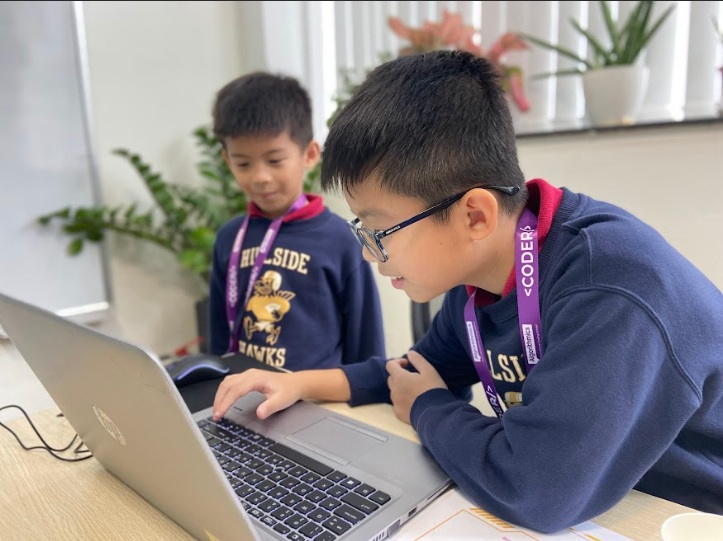
Creativity is the ability to generate fresh and unique ideas. When children develop this skill, they can imagine and create new solutions for complex problems. Creativity not only aids in intellectual development but also creates new and exciting opportunities in life.
Communication is the ability to convey information effectively and collaborate with others. This skill forms the foundation of all relationships and success in life. When children are trained in communication skills from a young age, they become more confident in expressing their opinions, working in teams, and resolving conflicts.
Problem-solving is the ability to identify issues, seek solutions, and implement them effectively. This skill helps children confront life's challenges and develop self-reliance and creativity in problem-solving.

Learning skills involve not only acquiring information but also understanding, applying, and developing knowledge. When children learn how to learn and adapt to new changes, they become lifelong learners capable of adapting to various learning environments.
Using technology effectively and safely is a crucial skill in the digital age. When children are guided on how to use technology consciously, they can utilize digital tools for learning, research, and communication effectively and safely.
Expose children to technological devices from an early age to familiarize them naturally. Ensure they use technology purposefully and effectively.
Enroll children in programming courses and skill development activities to introduce them to new knowledge and skills, fostering logical thinking and creativity.
Encourage children to ask questions, explore, and experiment. Provide conditions for them to develop critical thinking and creativity in a positive learning environment.
Participate in group activities and learn to collaborate with others, essential for developing social skills. Through teamwork, children learn to share ideas, listen to others' opinions, and work effectively in groups.
Parents play a crucial role in guiding children to use technology safely and effectively. Be a good role model by using technology responsibly and sharing experiences and knowledge about safe technology usage.
In the era of 5.0, preparing children is incredibly important. Parents need to equip children with not only knowledge but also soft skills such as critical thinking, creativity, communication, problem-solving, and technology usage. To do this, create opportunities for children to engage with technology early, encourage learning new skills, foster a creative learning environment, support social skill development, and set an example of responsible technology usage. Only when adequately equipped can children confidently navigate and succeed in this increasingly digitized world.
Programming for children differs from computer science in schools. Programming for children is becoming increasingly popular due to the significant benefits it brings to the comprehensive development of children. However, many parents still confuse programming with computer science at school. This article will help you better understand the differences between these two fields in order to make an appropriate choice for your child.
The objective of computer science is to help students master the use of computers and office software to perform academic tasks and daily work.
Computer science in the education curriculum focuses on providing basic knowledge about computers and commonly used software. Students are taught about the structure of computers, hardware components such as CPU, RAM, hard drive, and peripherals. Children also learn about operating systems and application software such as Microsoft Office.
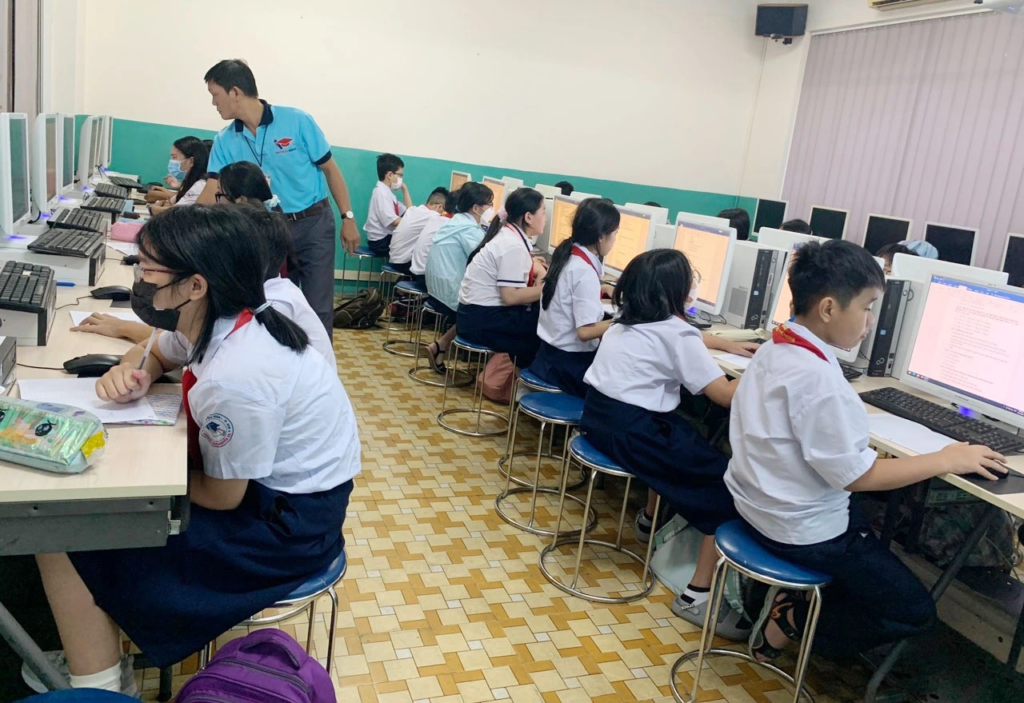
A specific example is that students are guided on how to use Word to compose documents, Excel to create spreadsheets, and PowerPoint to make presentations.
In programming, the main objective is to develop students' logical thinking and problem-solving skills through learning how to write code and create technology products.
For example, a programming course for children might focus on teaching them how to write Python code to create simple games like "Flappy Bird" or "Snake". In fact, many organizations and schools have established programming courses for children, such as "CoderDojo" or "Scratch Foundation". Activities in these courses often involve students creating projects such as games, simple websites, or mobile applications using tools like Scratch.
In computer science, the teaching method often follows a traditional approach. Teachers mainly convey theoretical knowledge and guide students to practice exercises that are readily available.
For instance, teachers may explain the structure of computers and then instruct students to practice using application programs through exercises on Word, Excel, or PowerPoint.
In contrast to computer science, the teaching method in programming often utilizes an active learning approach, encouraging students to explore, innovate, and learn through practical activities.
Instead of just listening to lectures, students are encouraged to participate in hands-on activities, creating programming projects based on their own ideas.
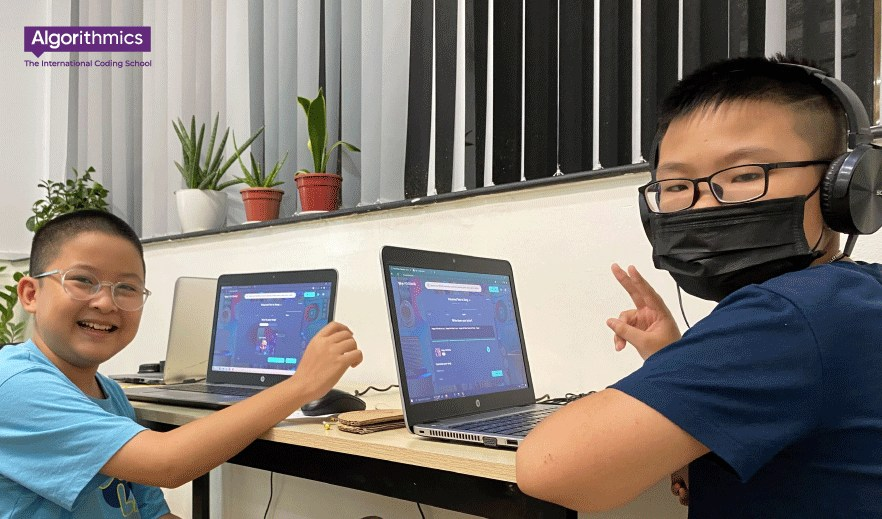
For example, in a programming course, students may be required to create a simple game using Scratch. Instead of receiving specific instructions, they are encouraged to explore how programming blocks work and apply that knowledge to build their own games.
Computer science helps children develop proficiency in using office software tools such as Word, Excel, PowerPoint, and other applications.
By learning how to use these tools, students can become proficient in composing documents, creating spreadsheets, designing presentations, and managing documents.
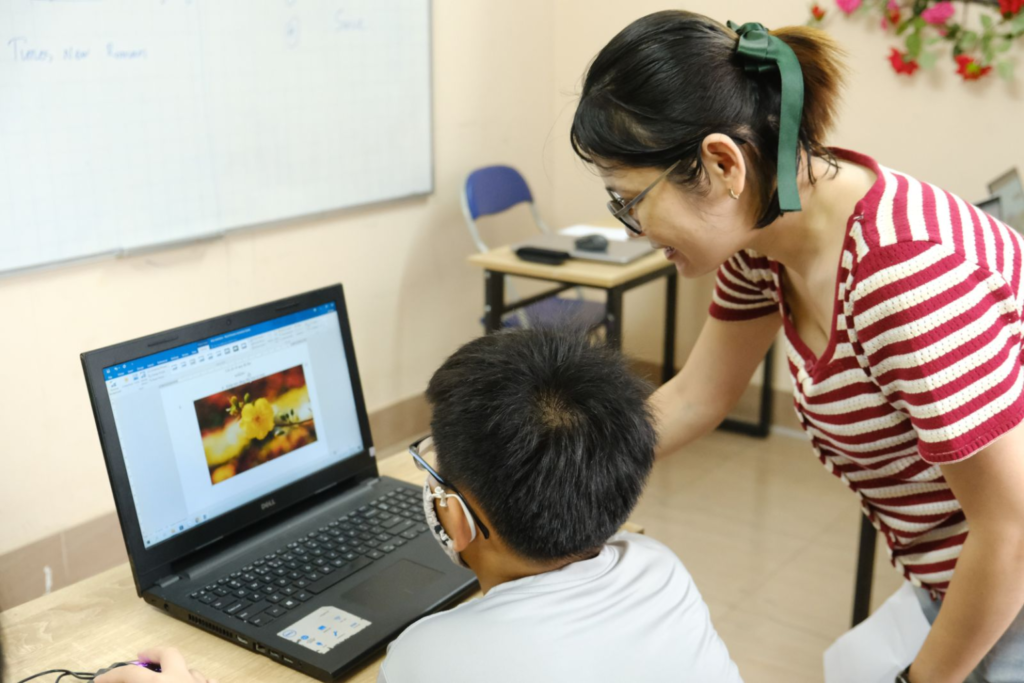
Meanwhile, programming not only helps children develop basic coding skills but also fosters the development of a range of other skills.
By participating in programming activities, students learn logical thinking, problem-solving, creativity, planning, organization, teamwork, and communication skills.
For example, when learning programming with Python, students not only learn the syntax of the language but also learn how to apply it to solve problems and create practical applications such as games, mobile apps, and other projects.
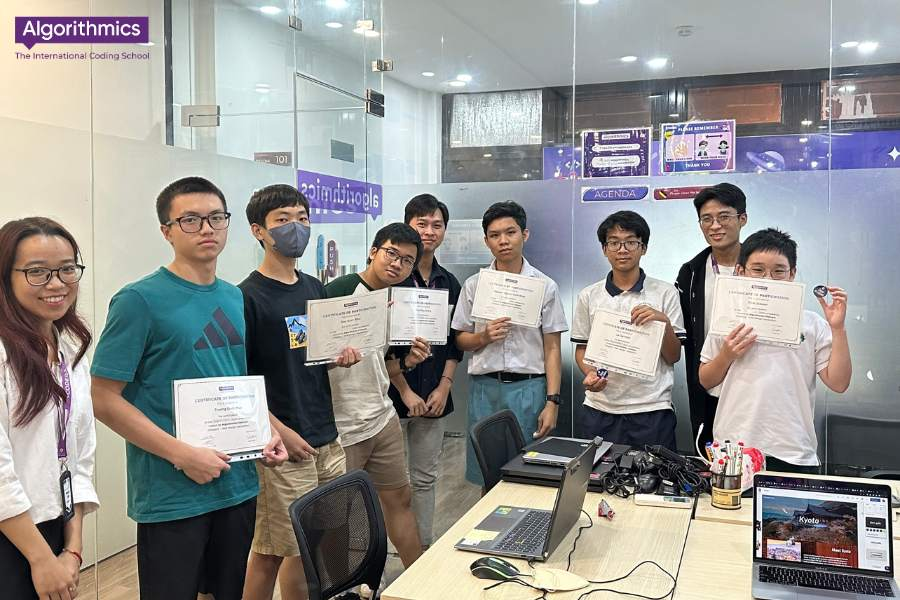
Computer science helps children access and use technology more effectively in their studies and daily lives.
Mastering office software tools like Word, Excel, and PowerPoint enables children to confidently and proficiently handle document editing, spreadsheet creation, presentation design, and document management.
Programming offers children more benefits, including:
Developing logical thinking and creatively solving problems.
Enhancing concentration and perseverance.
Strengthening communication and teamwork skills.
Preparing children with essential skills for future careers.
In conclusion, programming for children is not just a simple subject but also a useful tool for comprehensive development. Compared to computer science in schools, programming provides children with more benefits and equips them with the necessary skills for the future.
The Roblox game programming course at Algorithmics will help your child develop logical thinking, creativity, programming skills, and many other soft skills. Register your child now to explore the exciting and beneficial world of programming!
Roblox is an online platform that combines gaming and social networking, where players can create, share, and play 3D games together. Launched in 2006, it quickly became a global phenomenon, attracting over 164 million players actively engaging monthly worldwide.
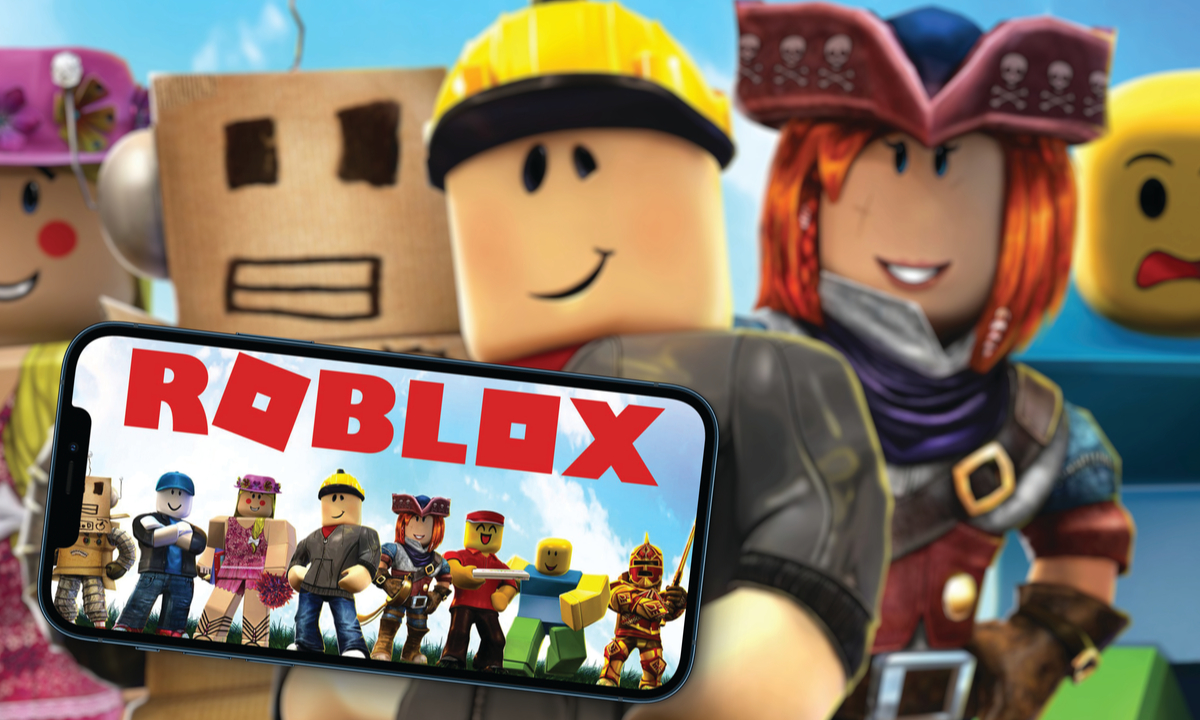
Roblox game programming course
Diversity: Roblox offers millions of games across all genres, from adventure, role-playing, puzzle-solving to simulation, and more.
Creativity: Players can use Roblox Studio to create their own games with intuitive and user-friendly tools.
Community: Roblox fosters a dynamic and friendly community where players can make friends, share ideas, and play games together.
Free-to-play: Roblox is entirely free to download and play. Players can purchase virtual items with real money, but it's not mandatory.
Roblox is not just a game but also an educational and developmental platform for children. The process of creating and playing games on Roblox helps children develop skills such as:
Logical thinking: Programming and game design require children to think logically and solve problems.
Creativity: Roblox encourages children to unleash their creativity and express themselves through their games.
Communication skills: Children can learn how to collaborate and communicate with others while playing games with friends.
Problem-solving skills: When facing challenges in games, children learn to explore and solve problems independently.
With its popularity and the benefits it brings, Roblox promises to continue being a favorite entertainment and learning platform for children for many years to come.
Roblox is a popular online gaming platform that allows players to create, share, and play games with each other. This platform uses the Lua programming language to build games, creating an ideal programming learning environment for children.
The Algorithmics Roblox Game Development course is designed specifically for children aged 7 to 15, helping them:
Learn programming: The course provides basic programming knowledge with Lua language, helping children understand how games work and create their own simple games.
Develop logical thinking: The programming process requires logical thinking and problem-solving skills, effectively training children's thinking.
Stimulate creativity: The course encourages children to be creative in content creation and building their own gaming worlds.
Enhance communication skills: Through collaboration and sharing games with friends, children will improve their communication and teamwork skills.
Roblox game programming course
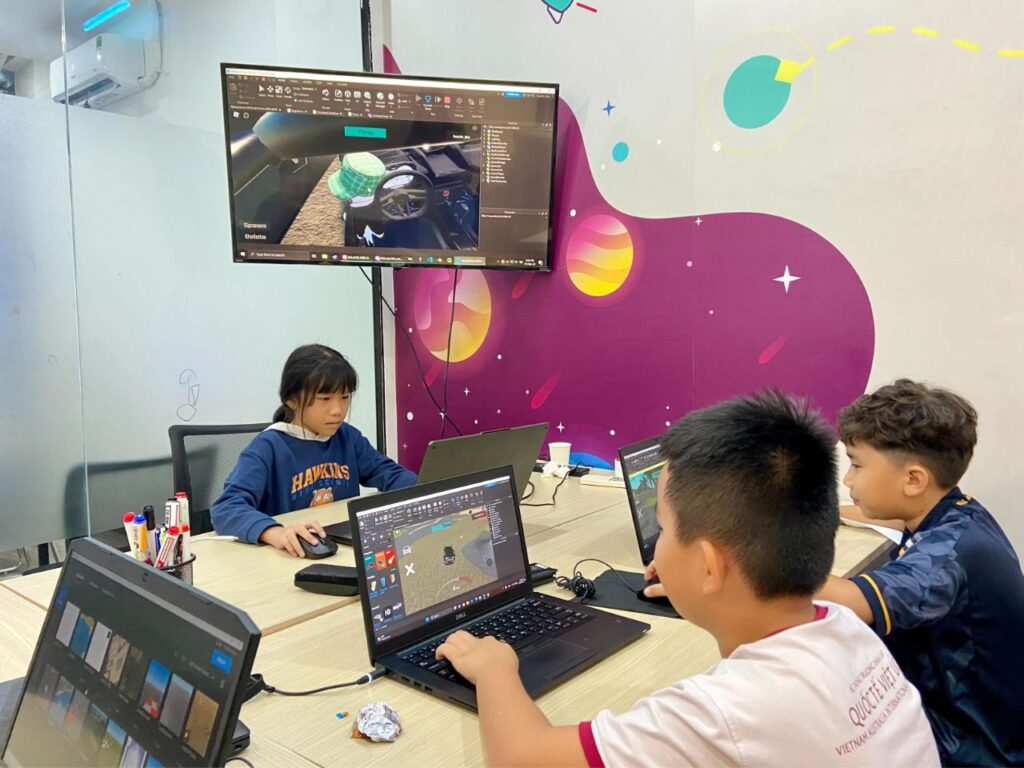
Roblox game programming course
Introduction to Roblox Studio and Lua language
Programming basic functions in games
Designing interface and characters
Creating vivid sound effects and graphics for games
Building simple games such as Racing, Shooting, Role-playing
Sharing and collaborating with friends to develop projects
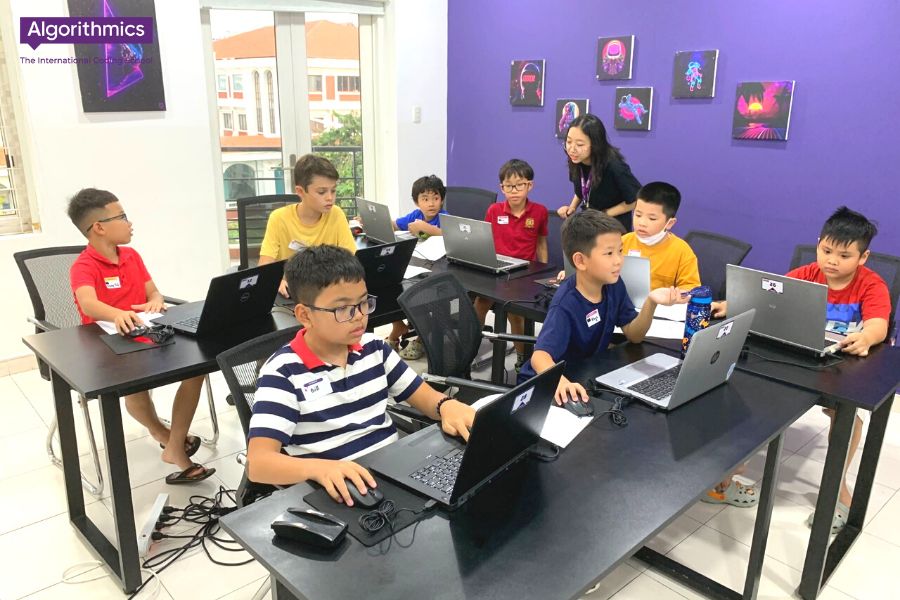
Roblox game programming course
In this module, children will learn how to interact with the Roblox Studio environment. They will explore basic scripting language (Lua) tools by:
Children will explore different computer game genres and start:
Children will explore and design different player types in their game strategy and learn how to program for multiplayer games.
Roblox game programming course
Children will create a racing game. In which, they will:
Children will explore requirements and develop games for mobile phones.
Study in a modern and convenient online environment
Experienced and enthusiastic teachers
Well-designed, easy-to-understand curriculum
Active learning and support community
The Algorithmics Roblox game programming course will help your child develop logical thinking, creativity, programming skills, and many other soft skills. Register your child for the course today so they can explore the exciting and rewarding world of programming!
Roblox game programming course
Artificial Intelligence (AI) is increasingly being applied in various aspects of our lives. Not only in research, manufacturing, and industries, but AI is also making its mark in everyday learning and work. Let's explore 5 applications of AI on how to apply artificial intelligence to work with Algorithmics!
The world is changing at a rapid pace, and with it comes the need to automate repetitive tasks to optimize work efficiency. Artificial Intelligence (A.I.) emerges as a powerful solution to this challenge.
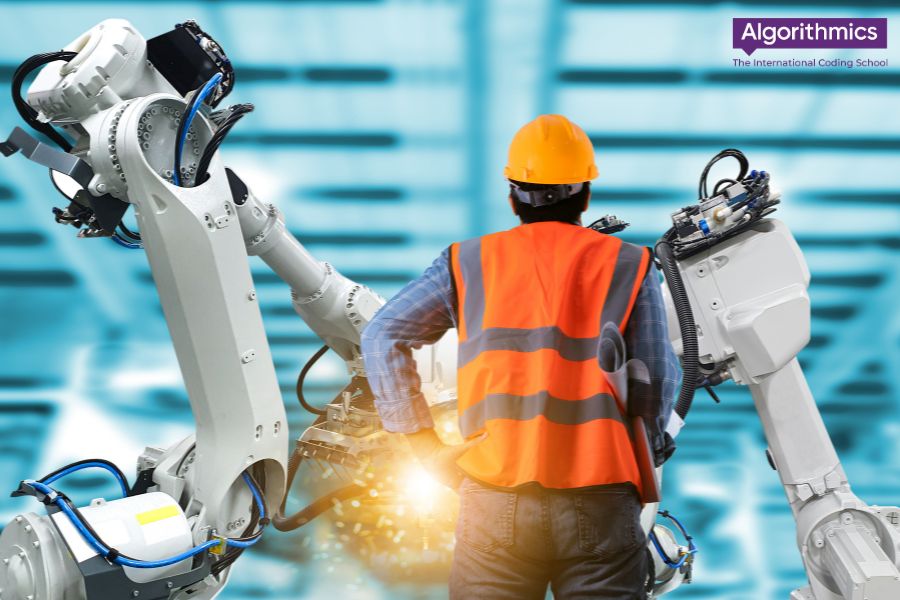
Applications of AI in work
Save time and effort: A.I. can quickly and accurately perform repetitive tasks, freeing up time and effort to focus on more important tasks.
Increase work efficiency: Automating tasks helps eliminate errors caused by humans, ensuring consistency and high quality of work.
Cost reduction: Saving time and labor translates to reduced operating costs for businesses.
Natural Language Processing (NLP): NLP technology automates language-related tasks such as translation, text summarization, and question answering. Applications like Google Translate, Grammarly, and Jasper help users save time and effort in handling text.
Robotic Process Automation (RPA): RPA technology uses software "robots" to perform repetitive tasks like data entry, email processing, and report generation. Platforms like UiPath, Automation Anywhere, and Blue Prism have been widely used in enterprises to optimize workflow.

Applications of AI in work
Optical Character Recognition (OCR): OCR technology converts text from images into digital format for easy editing and processing. Popular applications like Google Lens, Adobe Acrobat, and Abbyy FineReader simplify the process of data processing from images.
Machine Learning: Machine Learning technology analyzes data and predicts outcomes to automate decisions. Its applications include fraud detection, email classification, and predicting customer needs.
A.I. Conversational Intelligence: Conversational A.I. technology interacts with humans through natural language to provide customer service and technical support via chatbots, virtual assistants, and automated voice response systems.
In addition to work automation, A.I. is also enhancing creativity, improving customer service, analyzing data, and forecasting trends across various industries. Let's explore how A.I. contributes to these aspects of work.

Applications of AI in work
Artificial Intelligence (A.I.) has become a powerful tool for enhancing human creativity. A.I. can help boost creativity by providing new and unique ideas, from writing content for websites, blogs, and social media to designing logos, infographics, or websites. Additionally, A.I. supports the development of new and innovative products from ideation to production.
Save time and effort: A.I. helps humans focus on more creatively demanding tasks.
Expand ideas: Provide humans with fresh and unique ideas.
Improve product quality: Help humans refine their work more efficiently.
Community connection: Create an effective environment for learning and sharing among creative individuals.
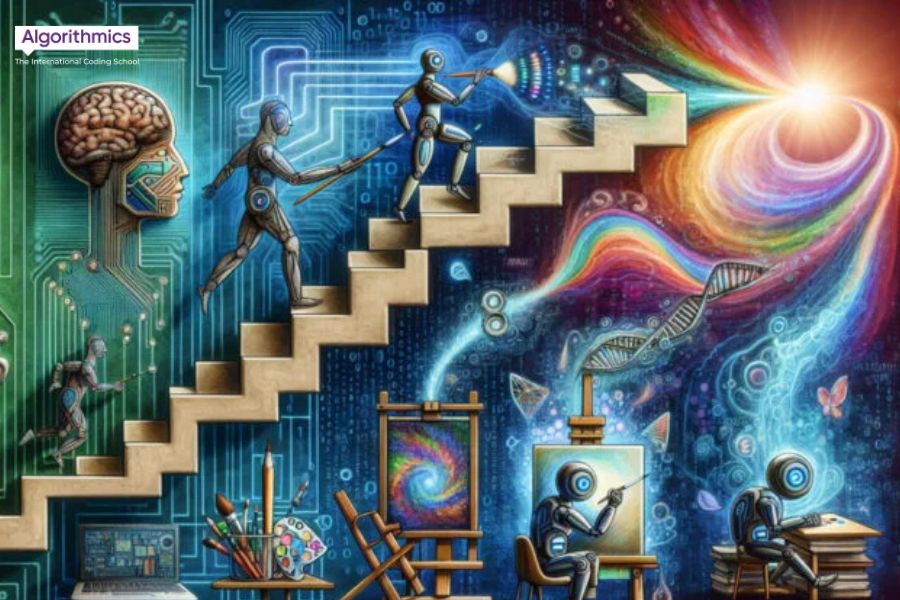
Applications of AI in work
Generating new ideas: A.I. can analyze data and provide creative suggestions based on human preferences, habits, and creative history. Examples include Brainstorming AI, MuseNet, and Amper Music.
Supporting creative projects: A.I. can assist humans in tasks such as composing music, writing poetry, and graphic design using tools like Jukebox AI, Poem Generator, and DALL-E 2.
Analyzing and evaluating creative works: A.I. can analyze creative works and provide objective evaluations, helping humans improve their work quality. Examples include ProWritingAid, Hemingway Editor.
Applications of AI in work
Artificial Intelligence (A.I.) is increasingly being applied in various fields, and customer service is no exception. A.I. can help businesses enhance customer service quality in many ways.
Enhance customer satisfaction: A.I. can help solve customer issues quickly and efficiently, providing 24/7 support.
Increase sales revenue: A.I. can help businesses sell more products by suggesting items tailored to customer needs.
Cost reduction: A.I. can automate manual tasks, saving operating costs for businesses.
Improve operational efficiency: A.I. can help businesses monitor customer satisfaction levels and identify underlying issues, thereby improving operational efficiency.
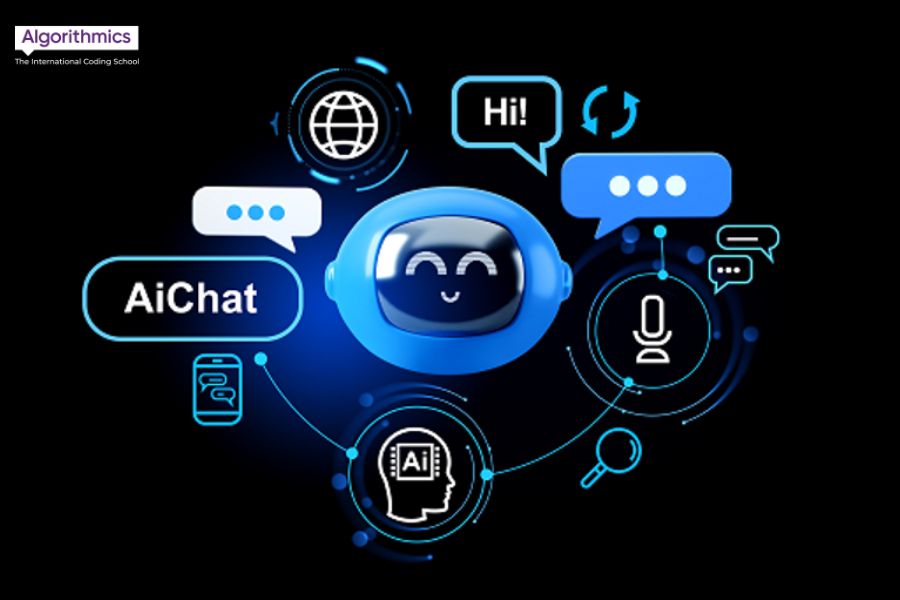
Applications of AI in work
24/7 customer interaction: Chatbots are A.I. programs that can automatically interact with customers using natural language. Chatbots can be used to answer frequently asked questions, resolve simple issues, provide 24/7 support, and collect feedback from customers.
Robotics Process Automation (RPA): RPA can automate manual repetitive tasks such as order processing, updating customer information, and resolving complaints.
Emotion and sentiment analysis of customers: A.I. technology can determine customer emotions from text or voice. Emotional analysis can be used to monitor customer satisfaction levels, identify underlying issues, and improve the customer experience.
Product recommendations: A.I.-powered recommendation systems suggest products based on customer needs. Product recommendation systems can help increase sales revenue and improve the customer shopping experience.
Applications of AI in work
The application of Artificial Intelligence (A.I.) in data analysis and forecasting is becoming increasingly important and widespread across various industries. A.I. has the ability to process large volumes of data quickly and effectively, helping to identify hidden patterns and trends that humans may overlook.
Increase efficiency: A.I. can process data faster and more efficiently than humans.
Improve accuracy: A.I. can detect hidden patterns and trends that humans may overlook.
Make better decisions: A.I. helps make decisions based on data and analysis rather than intuition.

Applications of AI in work
Natural Language Processing (NLP): NLP helps analyze and extract information from text, articles, emails, and social media. It is used to predict market trends, analyze customer sentiment, and detect hidden issues.
Machine Learning: Machine Learning automatically learns from data and makes predictions. It is used to predict customer demand, detect fraud, and assess risks.
Neural Networks: Neural Networks simulate the structure of the human brain and are used to predict stock prices, diagnose diseases, and recognize images.
Deep Learning: Deep Learning uses complex neural networks to learn from data and is applied in speech recognition, language translation, and autonomous vehicle development.
In conclusion, Artificial Intelligence (A.I.) plays a significant role in transforming work processes across various domains. Whether it's automating repetitive tasks, boosting creativity, improving customer service, or analyzing data, A.I. continues to revolutionize the way we work and interact with technology. Embracing A.I. in the workplace opens up new possibilities for efficiency, innovation, and growth.
Applications of AI in work
Roblox is a diverse online gaming platform with countless games spanning every genre. It helps children develop creative thinking, social skills, and effective learning. However, what sets Roblox apart from other online games? Let's explore why children should play Roblox instead of other online games in the following article, with Algorithmics - the programming school for children.
According to a recent study by TotallyAwesome, gaming has become the most popular entertainment trend among youngsters. Instead of seeking relief from chatting with friends or family, 50% of Gen Alpha (born between 2010 and 2024) and 43% of Gen Z (born from 1997 to 2012) in Asia have chosen gaming.
The reason for this choice may lie in the ability to create connections and community that games provide. 54% of Gen Alpha and 48% of Gen Z believe that gaming helps them feel more connected to friends and family.

The popularity of gaming is also evident through game livestreams. YouTube is the most popular online streaming platform, with 77% of Gen Alpha and 76% of Gen Z using it.
However, there's a rising demand for a safe gaming environment. Parents and game developers need to pay attention to this issue to ensure a healthy gaming environment for children. It's evident that gaming plays an important role in the lives of young people. It's not just a form of entertainment but also a means of connection, self-expression, and community bonding.

Roblox is a game loved by many children. It allows them to create new things on their own. Children can build their own 3D worlds and share them with friends.
Moreover, Roblox offers various game genres, such as adventure, building, sports, educational games, etc., preventing children from getting bored. Additionally, Roblox's interface is user-friendly. Children don't need to be professional gamers to understand how to play. Everything is designed so that children can easily participate.
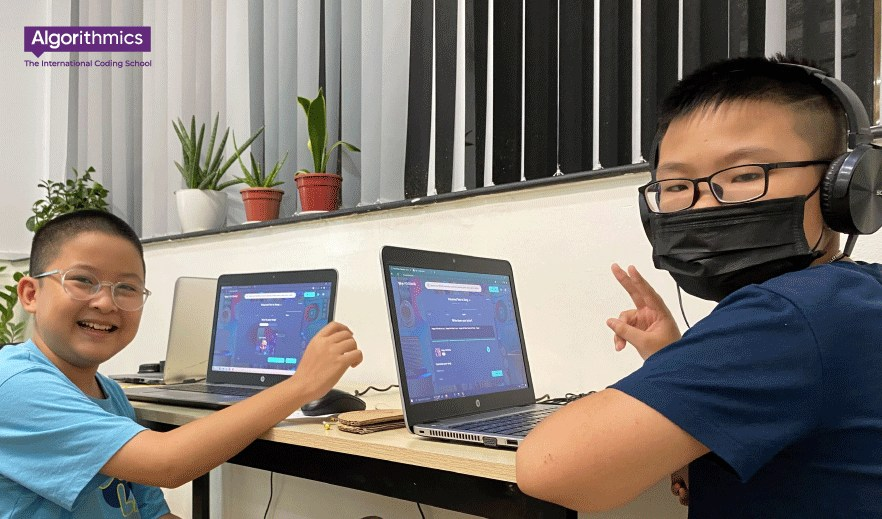
The Roblox platform is also a place to connect with friends and other players worldwide. Children can share their experiences and learn from others.
With millions of children around the world participating daily, Roblox is not just a game but also a creative community and skill development support for children. Here are 5 reasons why children should play Roblox instead of other online games!
Roblox is not just a simple game; it's a platform where children can create and develop games according to their own ideas. This encourages children to develop creative thinking, problem-solving skills, and programming skills. Roblox provides users with a visual and easy-to-use programming tool called Roblox Studio. With this tool, users can design virtual worlds, build 3D models, program gameplay and game logic, and share their works with the Roblox community.

Roblox is a popular online gaming platform for children where they can play, create, and connect with each other. Roblox provides many opportunities for children to develop important social skills such as communication, cooperation, leadership, empathy, and conflict resolution.
Through interacting with each other in games, children learn how to communicate effectively, listen, and understand others. They practice expressing their thoughts and ideas clearly. They also learn teamwork, responsibility sharing, and mutual support. Roblox also allows children to develop leadership skills, make decisions, provide guidance, and encourage others. Children learn to respect differences, empathize with others, and build friendships. Additionally, Roblox helps children develop conflict resolution skills in a peaceful, respectful, and effective manner.
Roblox is a miniature virtual universe for children, where they can explore and experience countless games of various genres. From adventurous quests in the fantasy world, to thrilling chases in action games, or relaxing moments in life simulation games, Roblox caters to every child's interests and age.
With a vast treasure trove of constantly updated games, Roblox offers children opportunities to learn and develop various skills. Children exercise logical thinking when solving puzzles, unleash creativity when building their own worlds, and enhance communication skills when interacting with other players.
Understanding parents' concerns about children's safety when playing online games, Roblox has implemented a strict content moderation system to ensure a healthy and safe gaming environment for children. This system effectively filters out harmful, violent, or age-inappropriate content.
Furthermore, Roblox provides parents with convenient management tools to monitor their children's gaming activities. Parents can easily set time limits for playing, track gaming history, and restrict their children's exposure to other players or inappropriate content.
With the combination of an effective content moderation system and parental management tools, Roblox provides children with a safe and healthy gaming environment, allowing them to explore and develop without worrying about potential risks.
Besides entertainment and fun, Roblox also offers children opportunities to learn and develop through educational games. These games are carefully designed to help children absorb knowledge effectively and enjoyably.

Children play Roblox
With diverse content covering various fields such as science, mathematics, history, etc., Roblox helps children explore the world of knowledge vividly and excitingly. Children can participate in scientific adventures, solve logical puzzles, or explore historical landmarks, all presented in an engaging and understandable manner.
Learning through Roblox not only helps children passively absorb knowledge but also encourages them to think creatively, problem-solve, and develop critical thinking skills. Children engage in interactive activities, experiments, and explorations, sparking a passion for learning and unlocking their potential.
With the combination of entertainment and education, Roblox is an excellent platform for comprehensive child development. Parents can encourage their children to participate in educational games on Roblox to enhance knowledge and skills effectively and enjoyably.
Although Roblox is a fantastic educational and entertainment platform for children, parental guidance and supervision are still crucial. Parents can not only help children enjoy safe and positive experiences on Roblox but also open doors for them to join special Game Development courses at Algorithmics. These courses help children develop programming and creative skills comprehensively.
Children play Roblox

Roblox is not just a gaming platform; it's also an ideal environment for children to learn programming and game design. With support from Game Development courses at Algorithmics, children will be guided by experts and gain the necessary knowledge to create their own unique games.
Game design courses on the Roblox platform not only help children exploit the advantages of Roblox but also enhance their own strengths. During the learning process, children are encouraged to think creatively, develop problem-solving skills, and even social skills through collaboration with classmates!
Explore the Game Development course for your child HERE.
Children play Roblox
Coding for children is a topic that attracts a lot of interest from parents. However, alongside agreement, there are still many concerns about the benefits and effectiveness of children learning to code. Understanding these concerns, Algorithmics presents a video sharing "A Practical Perspective from Parents on Children Learning Coding". The video showcases the real experiences of parents whose children have participated in coding courses at Algorithmics.
After their children have learned coding at Algorithmics, parents have noticed positive changes. Their children not only acquire new knowledge but also improve in many other aspects.
Learning coding not only helps children develop technological skills but also brings unexpected benefits. Parents often observe that their children become more confident in communication after participating in coding courses. This skill is developed through expressing opinions, presenting ideas, and discussing with friends in coding projects. This is not only a personal achievement but also an important step in the holistic development of the child.
Children learning coding
One of the benefits parents notice from their children participating in coding courses is how they improve their English skills. In an entirely English-speaking environment, and learning with foreign teachers, children have the opportunity to interact and practice the language naturally and effectively. This not only helps improve communication skills but also opens doors for children to access new knowledge and opportunities globally.
Chidren participate in coding courses at Algorithmics has brought remarkable improvement not only in learning coding but also in logical thinking and problem-solving. Children learn to systematically analyze problems and devise effective solutions through exposure to coding problems. These skills not only contribute to success in coding but also form an important foundation for the child's comprehensive development in life.
Coding courses at Algorithmics are not just about learning code but also an adventure of self-discovery for children. They are exposed to various subjects, from basic coding languages to advanced knowledge, opening up a world full of excitement and potential.
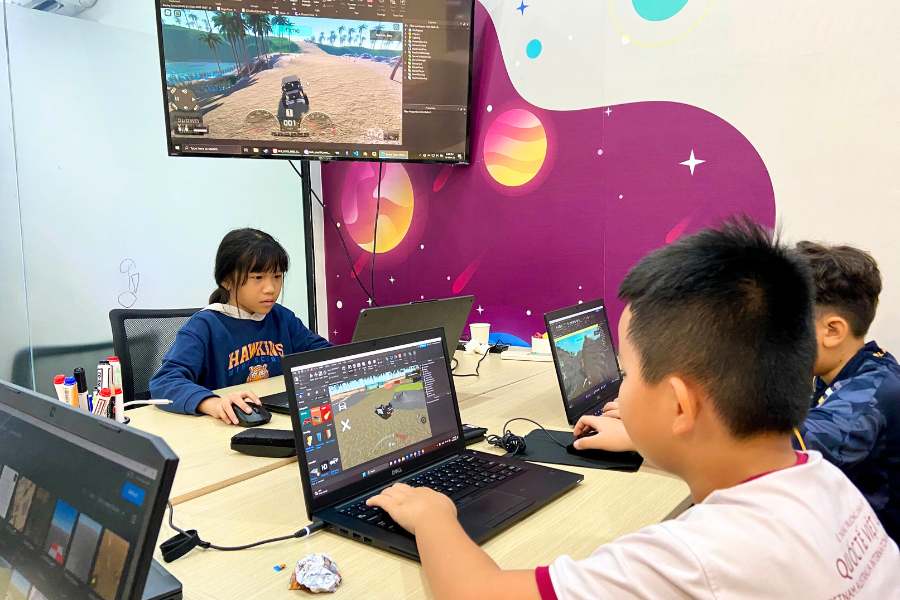
Children learning coding
Through coding, children have the opportunity to encounter various types of problems and apply new knowledge to solve them. Through each project, children not only learn about coding but also discover their strengths and weaknesses. This helps children identify their interests, passions, and true talents.
In today's 5.0 era, coding education for children is becoming increasingly important. Parents can see its importance through the presence of artificial intelligence, technology in daily life, work, education, etc. Introducing children to coding education is a step towards helping them understand and use technology correctly and optimally.
Not only does coding education pave the way for new IT career directions, but it also provides children with a broader perspective on the world of technology. From there, it can be easily applied in daily life. Moreover, when considering future career directions, technological skills and coding will be a significant advantage for children in any field.